As the chill sets in and Delhi’s skies turn from blue to a smoggy grey, it’s time to get pollution-ready before the familiar sting in the air returns. Every year, between October and January, air pollution levels in northern India skyrocket. According to the Central Pollution Control Board (CPCB), the average PM2.5 concentration in Delhi during winter is nearly 10 times higher than the WHO’s safe limit. While many blame stubble burning, that’s only part of the picture. Cooler temperatures trap pollutants close to the ground, and low wind speeds prevent them from dispersing. Add vehicular emissions, industrial output, and dust, and we get the toxic haze that hangs over the city.hangs over the city.
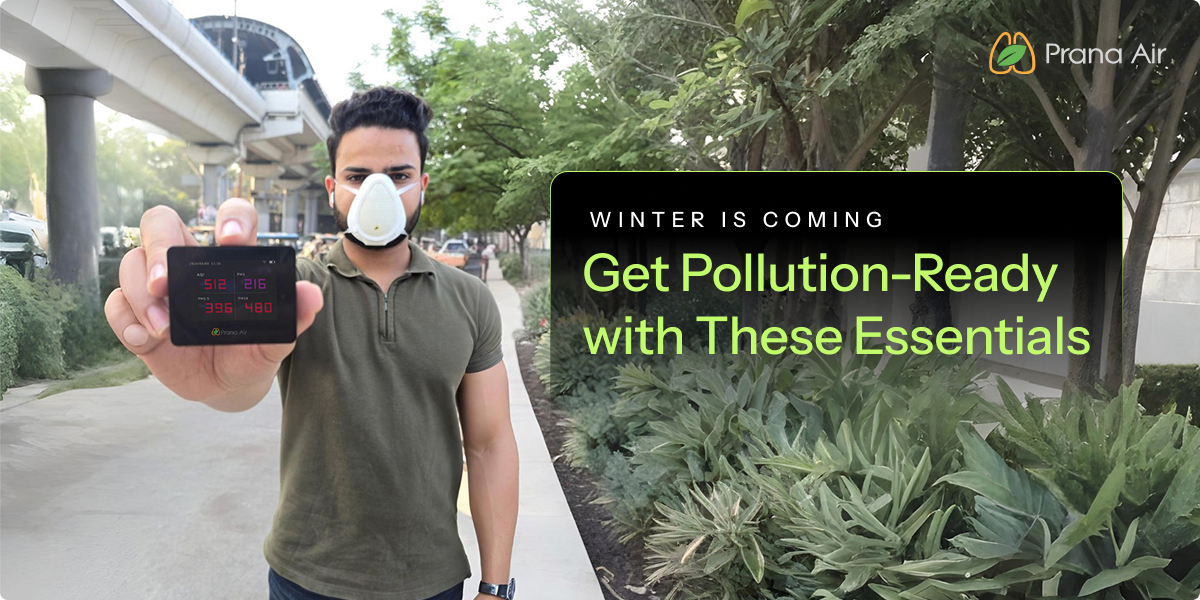
The truth is, pollution isn’t just outdoors anymore. It seeps into homes, offices, and schools, turning every breath into a potential health risk. So this winter, don’t wait for the AQI to hit “severe” before acting. Here’s how you can get pollution-ready with data-backed awareness and the right protection essentials.
1. Understand What You’re Breathing
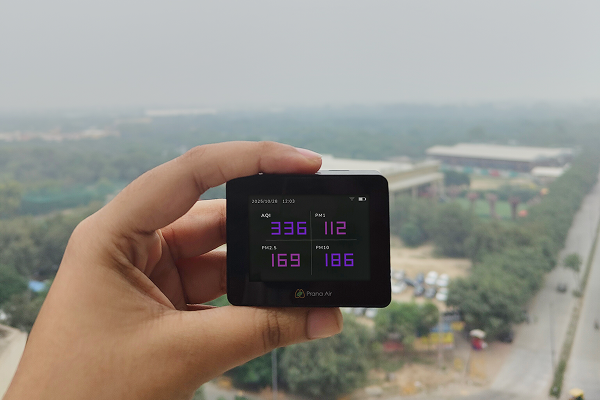
Before you protect yourself, you need to know what’s really in the air. The Air Quality Index (AQI) isn’t just a number; it’s a daily health score. An AQI above 300 means hazardous air, equivalent to smoking more than a pack of cigarettes a day. According to the Lancet Commission on Pollution and Health (2022), air pollution caused over 1.7 million deaths in India, making it the country’s second-largest risk factor for disease after high blood pressure.
You can’t fix what you don’t track. While most apps offer generic air-quality updates, platforms like AQI.in provide accurate, location-based data from hundreds of monitoring stations across India, helping you understand how pollution levels shift in real time. And for your home or workspace, the Prana Air Smart Air Quality Monitor brings that same accuracy indoors, tracking PM2.5, PM10, CO₂, and VOCs in real time so you can act before the air turns unhealthy.
Data from the CPCB shows that prolonged exposure to PM2.5 concentrations above 60 µg/m³ can increase the risk of asthma, bronchitis, and heart disease. Tracking air quality regularly through credible platforms and smart devices ensures you can take timely action — whether that’s masking up, switching on an air-quality solution, or simply avoiding outdoor activities when levels peak.
2. Mask Up, But Choose the Right One
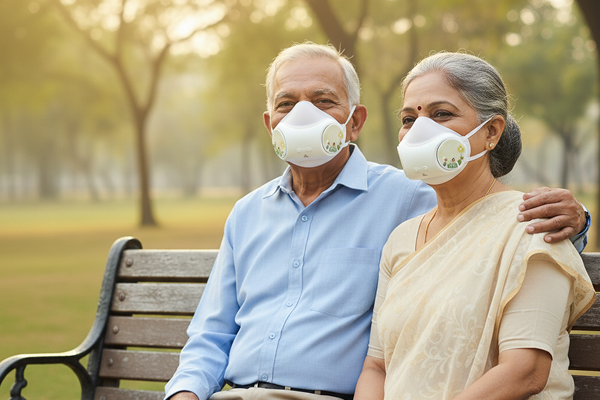
Not all masks are made equal. The cloth or surgical masks that became common during COVID-19 aren’t designed for pollution. They barely filter fine particles smaller than 2.5 microns, the ones that actually reach your lungs. To truly get pollution-ready, invest in a certified anti-pollution mask like Prana Air’s N95 or N99 mask, which filters up to 99% of PM2.5 and PM10 particles along with harmful gases like CO and NO₂.
When buying a mask, check for:
- Filtration efficiency (N95/N99 rating)
- Proper fit and seal around the nose and chin
- Replaceable filters to extend usability
- Breathability for long-hour comfort
According to a TERI study, wearing a properly fitted N95 mask during peak pollution can reduce particulate exposure by over 90%, significantly lowering respiratory irritation and fatigue.
3. Clean the Air Indoors
Winter often tempts us to shut every window and stay warm, but that traps indoor pollutants. From cooking fumes to cleaning sprays, VOCs and CO₂ build up quickly. Data from IIT Delhi shows that indoor air can sometimes be 2–5 times more polluted than outdoor air during winter.
To improve your indoor environment:
- Ventilate for at least 15 minutes daily during lower AQI hours.
- Add air-purifying plants like snake plants and peace lilies.
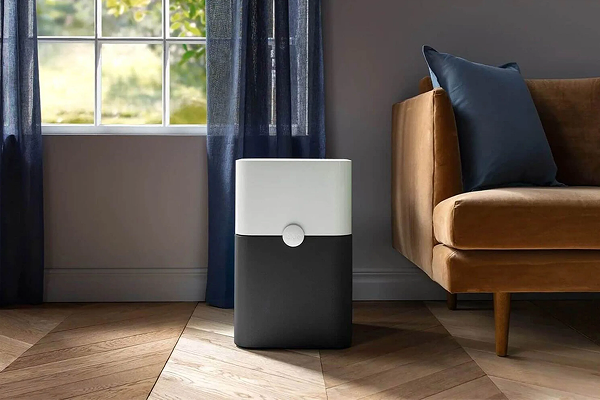
- Use a HEPA-based air quality solution such as the Prana Air Fresh Air Machine, which filters and circulates clean air even in closed spaces.
Keeping an air-quality monitor nearby helps you understand when to ventilate or switch on filtration systems so you’re not guessing what you’re breathing.

4. Support Your Body
While we can’t completely avoid exposure, we can strengthen our defense systems. Research published in the European Respiratory Journal suggests that a diet rich in antioxidants (vitamin C, E, and omega-3 fatty acids) helps reduce inflammation caused by pollution. Include fruits, leafy greens, nuts, and seeds in your daily meals.
Also, hydration matters. Polluted air dries out your respiratory tract, making it easier for particles to stick. Drinking enough water and warm beverages like tea or coffee helps keep your airways clear.
If you’re exercising, avoid outdoor workouts early morning or late evening, when pollution peaks. Opt for indoor alternatives or use real-time data from AQI.in to pick the cleanest hours of the day.

5. Think Long Term
Air pollution isn’t going away overnight. But every small choice helps — from carpooling to using electric transport or planting native trees. For organizations, installing indoor air-quality monitoring systems and using solutions like Prana Air’s Smart Monitors in schools, offices, and hotels can create safer shared spaces.
According to the World Health Organization (WHO), cutting air pollution even by 10 µg/m³ could increase life expectancy by 0.6 years in polluted cities. Cleaner air isn’t just about comfort; it’s about longevity, productivity, and wellbeing.
Final Breath
Winter pollution is an annual challenge, but it doesn’t have to catch you unprepared. Awareness is your first line of defense, and the right technology can make that awareness actionable. So this season, don’t just layer up for warmth, get pollution-ready with smart choices and reliable tools. Gear up for clean air, because every breath you protect today shapes a healthier tomorrow.